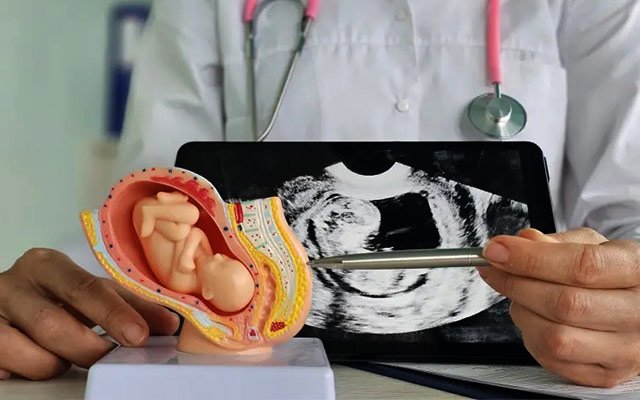
Pregnancy is often described as a journey—and like any journey, you want a reliable map. That’s exactly what detailed pregnancy scans provide. They don’t just show you a blurry image of your baby; they offer a comprehensive, medically precise understanding of fetal development, helping doctors detect, monitor, and manage potential complications early.
If you think ultrasound scans are just routine checkboxes during pregnancy, it’s time to rethink that. In modern fetal care, especially when accessing fetal medicine services in Kolkata at Fetomat Wellness, detailed scans are one of the most powerful tools for ensuring both maternal and fetal well-being.
Let’s break it down in a way that actually makes sense—and maybe even makes you appreciate those scan appointments a little more.
What Are Detailed Pregnancy Scans?

Detailed pregnancy scans, often referred to as anomaly scans or targeted ultrasounds, go far beyond basic imaging. These scans are typically performed by fetal medicine specialists using advanced ultrasound technology to assess:
- Fetal anatomy (brain, heart, spine, limbs)
- Growth patterns and measurements
- Placental position and function
- Amniotic fluid levels
- Blood flow through key vessels
Unlike routine scans, these are highly specialised and often recommended at specific stages—most commonly between 18 and 22 weeks of pregnancy.
Why These Scans Matter More Than You Think
Let’s be blunt: pregnancy doesn’t always go exactly as planned. Even in low-risk cases, unexpected issues can arise. Detailed scans act as an early warning system.
1. Early Detection of Congenital Abnormalities
One of the biggest advantages is identifying structural abnormalities early on. Conditions involving the heart, brain, or spine can be detected with remarkable accuracy.
Why does this matter? Because:
- Early diagnosis allows timely intervention
- Parents can prepare emotionally and medically
- Doctors can plan specialised care at birth
2. Monitoring Fetal Growth and Development
Not all babies grow at the same pace—but there’s a range considered healthy. Detailed scans help track whether your baby is:
- Growing too slowly (Intrauterine Growth Restriction - IUGR)
- Growing excessively (which can complicate delivery)
With fetal medicine services in Kolkata at Fetomat Wellness, such growth patterns are closely monitored to ensure optimal outcomes.
3. Evaluating Placental Health
The placenta is your baby’s lifeline. If something goes wrong here, it can affect oxygen and nutrient supply.
Detailed scans can identify:
- Placenta previa (low-lying placenta)
- Placental insufficiency
- Abnormal attachment (like placenta accreta)
Catching these early helps doctors manage delivery risks effectively.
4. Detecting Genetic and Chromosomal Conditions
Some scans, when combined with other screening methods, can indicate the likelihood of genetic conditions such as:
- Down syndrome
- Edwards syndrome
- Patau syndrome
These aren’t diagnoses—but they guide further testing and decision-making.
5. Guiding High-Risk Pregnancy Management
If you have conditions like diabetes, hypertension, or a history of pregnancy complications, detailed scans become even more critical.
They help in:
- Adjusting treatment plans
- Deciding the frequency of monitoring
- Planning the safest delivery approach
This is where expert-led fetal medicine services play a crucial role in minimising risks.
Types of Detailed Pregnancy Scans You Should Know

Let’s quickly decode the most important ones:
🔹 First Trimester Screening Scan
- Done between 11–14 weeks
- Assesses early development and chromosomal risk
🔹 Anomaly Scan (Level II Scan)
- Done between 18–22 weeks
- Most comprehensive structural evaluation
🔹 Fetal Echocardiography
- Focuses on the baby’s heart
- Recommended in high-risk cases
🔹 Growth Scan
- Conducted in later stages
- Tracks fetal weight and development
The Role of Technology in Modern Fetal Medicine
Advanced imaging techniques now include:
- 3D/4D ultrasound imaging
- Doppler studies for blood flow analysis
- High-resolution imaging for detailed anatomy
Clinics offering fetal medicine services leverage these technologies to provide accurate, real-time insights into fetal health.
Emotional Benefits for Parents (Yes, That Matters Too)
Let’s not ignore the human side of things.
Detailed scans don’t just help doctors—they reassure parents.
- You get to “see” your baby more clearly
- You understand what’s happening inside your body
- Anxiety reduces when everything looks normal
And if something isn’t right, you’re not blindsided at birth—you’re prepared.
When Should You Be Extra Careful?
Certain situations demand even more attention through detailed scans:
- Maternal age above 35
- Previous pregnancy complications
- Family history of genetic disorders
- Multiple pregnancies (twins/triplets)
- Chronic health conditions
In such cases, skipping or delaying scans isn’t just risky—it’s avoidable negligence.
Why Choosing the Right Fetal Medicine Center Matters
Here’s the thing: not all scans are created equal.
The accuracy of a detailed scan depends heavily on:
- The expertise of the fetal medicine specialist
- Quality of ultrasound equipment
- Interpretation of results
That’s why many expectant parents opt for specialised centers when seeking fetal medicine services. Precision matter—and so does experience.
Common Myths About Pregnancy Scans
Let’s clear the air:
Myth 1: Too many scans are harmful
👉 Reality: Ultrasound scans are considered safe when performed by professionals.
Myth 2: If I feel fine, I don’t need detailed scans
👉 Reality: Many fetal issues show no symptoms during pregnancy.
Myth 3: All scans are the same
👉 Reality: Basic scans and detailed scans serve very different purposes.
How to Prepare for a Detailed Pregnancy Scan
A little preparation goes a long way:
- Wear comfortable clothing
- Stay hydrated (sometimes a full bladder is required)
- Bring previous reports
- Don’t hesitate to ask questions
Yes, you’re allowed to be curious. In fact, you should be.
Getting the Right Pregnancy Scans
Detailed pregnancy scans are not just routine procedures—they’re critical checkpoints in your pregnancy journey. They bridge the gap between uncertainty and informed care, allowing both doctors and parents to make smarter decisions.
With access to advanced fetal medicine services in Kolkata, especially through specialized centers like Fetomat Wellness, expectant parents can ensure that their pregnancy is monitored with precision, care, and expertise.
Book a consultation today.
People Also Ask
1. What is the difference between a normal ultrasound and a detailed pregnancy scan?
A normal ultrasound checks basic fetal presence and heartbeat, while a detailed scan evaluates fetal anatomy, growth, and potential abnormalities in depth.
2. Are detailed pregnancy scans safe for the baby?
Yes, ultrasound-based scans are safe when conducted by trained professionals using standard medical guidelines.
3. When is the best time to get a detailed anomaly scan?
The ideal time is between 18 to 22 weeks of pregnancy for accurate structural assessment.
4. Can detailed scans detect all birth defects?
While highly advanced, no scan can detect 100% of abnormalities—but detailed scans significantly improve detection rates.
5. Do you need detailed scans in a low-risk pregnancy?
Yes. Even low-risk pregnancies can have unexpected complications, making detailed scans essential for all expectant mothers.
6. How long does a detailed pregnancy scan usually take?
A detailed pregnancy scan typically takes 30–60 minutes, depending on the baby’s position and the level of detail required for assessment.
7. Can detailed scans detect complications before symptoms appear?
Yes, these scans can identify early signs of potential complications—often before any physical symptoms are noticeable in the mother.
8. What is the role of Doppler scans in fetal medicine?
Doppler scans measure blood flow between the mother, placenta, and baby, helping doctors ensure the fetus is receiving adequate oxygen and nutrients.
9. Are detailed pregnancy scans necessary for every trimester?
While not required every trimester for all pregnancies, specific detailed scans are recommended at key stages to monitor development and detect abnormalities.
10. How do detailed scans help in high-risk pregnancies?
They provide continuous monitoring, allowing doctors to adjust treatment plans, manage risks proactively, and plan a safer delivery.