
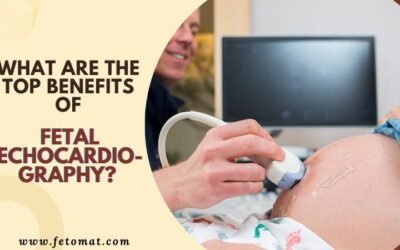
What Are The Top Benefits Of Fetal Echocardiography?
Fetal Echocardiography (FEC) is a non-invasive method to detect congenital heart defects (CHDs) in unborn babies. In addition to detecting CHDs, FEC is also useful in determining the risk of miscarriage due to a fault. Fetal echocardiography is a diagnostic test that...

What Is Fetal Echocardiography And How Is It Performed?
Fetal echocardiography is a diagnostic imaging test that uses ultrasound technology to evaluate fetal heart function. It is performed between 16-28 weeks of gestation and can detect congenital defects of the fetal heart. These defects may cause problems in the fetus’...
What Is Prenatal Testing? : A Briefing!
Pregnancy is a time of great joy for the family, especially for the parents. However, pregnancy also comes with its fair share of worries. Some parents brood over the possibility of their baby developing specific health problems and in turn lose sleep over it. Today,...
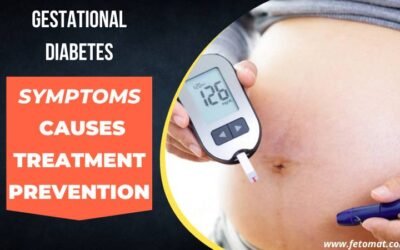
Gestational Diabetes- Symptoms, Causes, Treatment, And Prevention
Gestational Diabetes is a type of diabetes that affects the mother during gestation or pregnancy. It results in elevated blood sugar levels for the mother and increases the chance of preterm birth. It can also lead to other complications for the baby. If you are...

7 Common Pregnancy Complications
Pregnancy is a time of great joy and anticipation, but it can also be filled with stress and worry. While most women have healthy pregnancies with no issues, some experience complications. Here's a list of some common pregnancy complications: Preeclampsia:...

Uterine Fibroids: All You Need to Know
Uterine fibroids are noncancerous tumors that develop in the uterus. They are typically smooth and firm but can be soft or rubbery. These tumors can range from the size of a walnut to as large as a melon. They can cause heavy menstrual bleeding, pelvic pain, and...