
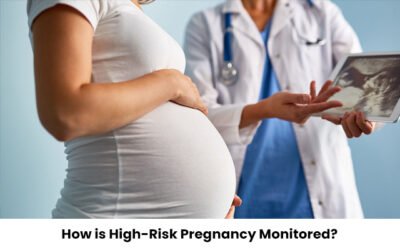
How is High-Risk Pregnancy Monitored?
A high-risk pregnancy can pose serious health risks for both the mother and baby. Monitoring the pregnancy is important as it lets doctors keep track of the mother’s and the baby’s well-being. Know more about high-risk pregnancy monitoring from our maternal-fetal...

Amniocentesis: A Detailed Overview
Amniocentesis is a medical procedure used to assess the health of a developing fetus during pregnancy. It involves taking a small sample of the amniotic fluid which surrounds the baby in the womb. This fluid contains cells from the baby that can be tested for genetic...
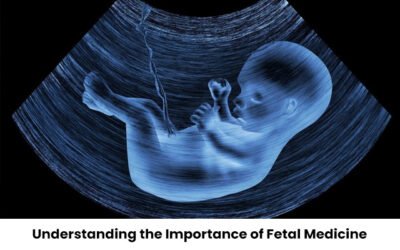
Understanding the Importance of Fetal Medicine
Fetal medicine, a specialized branch of obstetrics, focuses on the diagnosis, treatment, and management of conditions affecting a fetus during pregnancy. Traditional obstetrics primarily monitors maternal health while fetal medicine centers on the well-being of the...

Common Types of Fetal Anomalies
Fetal anomalies or birth defects are structural or functional issues that arise during a baby’s development in the womb. These anomalies can affect the physical appearance of the baby, their organ function, or overall health. While many pregnancies progress without...

What to Do if Water Around My Baby is More?
Amniotic fluid, the water surrounding the fetus, is initially produced by the placenta and later primarily consists of fetal urine. While amniotic fluid plays a crucial role in cushioning and protecting the baby, an excess amount can pose risks to both the mother and...

What to Do if Water Around My Baby is Less?
The amniotic sac, a crucial component of fetal development, plays an essential role in safeguarding and nurturing the baby while in the womb. Early in pregnancy, the placenta is responsible for producing amniotic fluid, which serves as a protective cushion for the...